The 18th Century

City History 2

The city of Kalutara inherits a long history from a very ancient time. Historical stories show that Kalutara got its name because of the Kaluganga river that falls into the sea from this city. Sailing ships reached this area even in the 18th century. Therefore, it can be thought that the name Kalutara was created from Kalathiththa, Kaluthota, Kalutara.

The 2nd Century

City History 2

Kalutara is a densely populated city and for the convenience of administration, Kalutara is divided into 02 parts, North and South. In the past these areas were called Velapura and Deshastra. The Bodhi tree currently standing on the top of the historic Kalutara Bodhi tree is believed to be one of the Dethispala Bodhi trees of the Anurapura Jaya Sri Maha Bodhi tree. It seems that this area has been given special attention in history according to the assumption that this area is the place mentioned as Nubarata in the old map of Ceylon drawn by Ptolemy in the 2nd century.

The 5th Century
City History 2

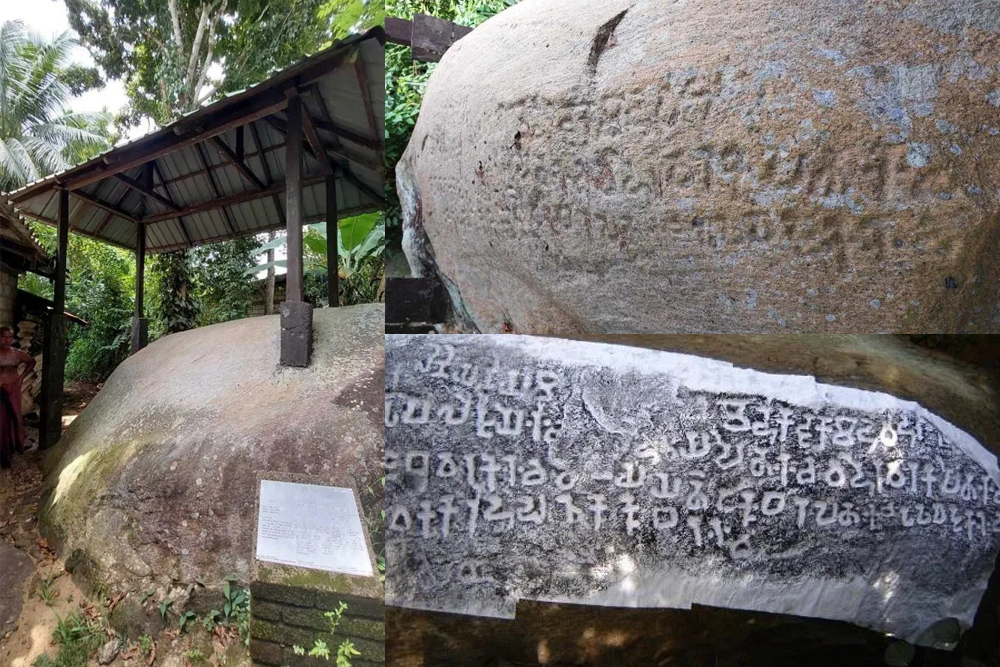
Many facts are also revealed in an inscription with Brahmi letters on a stone which is currently preserved in the Department of Archaeology near Pelunu Gala in the middle of Kalu Ganga in Kalutara Diyagama area, which is believed to belong to the 5th century. The most important fact is that by the 5th century, people were living there and agriculture was their way of life. Also, it is clear that there was a religious background in this area at that time from the mention of Maha Vihara. Also, from the mention of a trading town called Hiyamaththa, it can be thought that people living in Kalutara lived on a religious background who established an economic system through agriculture in the 5th century lived in Kalutara.
The 13th Century

City History 2

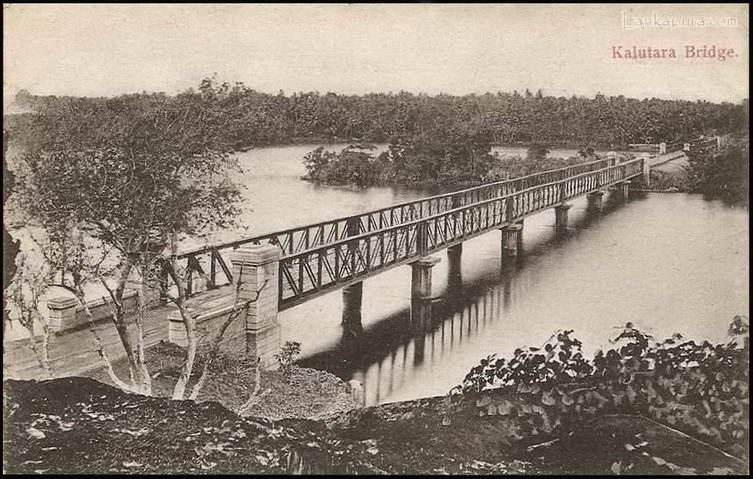
It is said that in the 13th century, King Parakramabahu II, who made the kingdom of Dambadeniya, built a big bridge across the Kaala Nadee and started a coconut plantation from Benthota to Kaluthota for the benefit of the public. Literary sources indicate that he created a large road system and created a road from Kalutara to Ratnapura. It is recognize as the route from Kalutara Nagas Juction via Uggalboda.

The 15th Century

City History 2

Thus, by the 15th century, we can think that the city of Kalutara may have developed as a very beautiful city, based on the memorandum written about the Kalutara River in several ancient records and about a temple called Gangathilaka in Kalutara.

Day of 1655-09-15..

City History 2

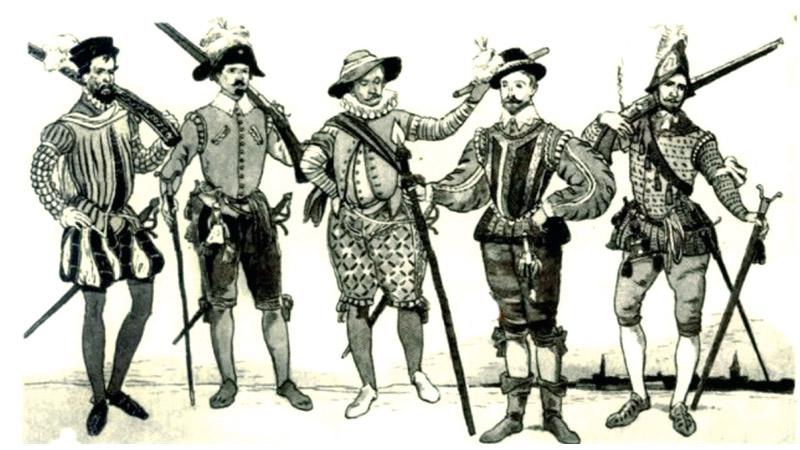
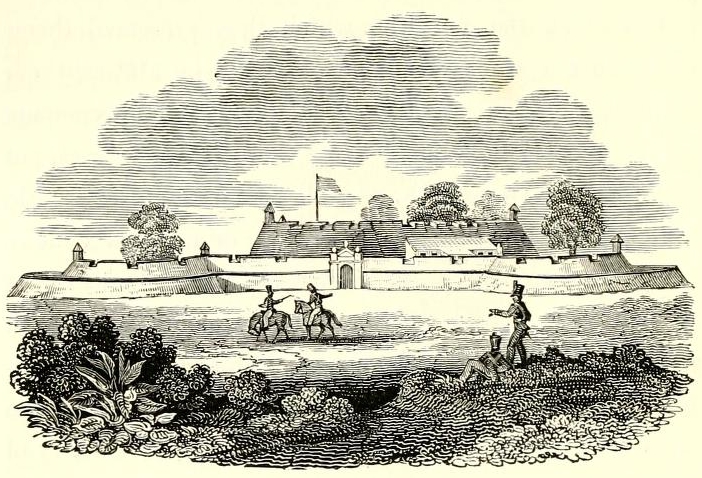
There is an evidence that the Portuguese, who invaded Sri Lanka during the reign of King Vijayabahu, exchanged their trade items of cumin, betel nut, pepper and gems through Kalugantota. King Bhuvanekabahu expanded the use of Kalugangthota (the north and south borders of the river called Thotamuna) to the Portuguese and it is said that the Portuguese who took advantage of it built a fort along the Kaluganga and that there was a trade port in Kalutara which was jointly controlled by the Sinhalese and the Portuguese. In 1557, the Portuguese took control of the city. The fort was besieged by the Dutch on 15-09-1655.

End of the 18th Centuary..

City History 2

Kalutara has surrendered to the British since 16-04-1796 in the late 18th century. During the period of 152 years from 1796 to 1934, the British divided the districts for the convenience of administration and a revenue collector was appointed in each district.

Day of 1878 January 11

City History 2

The first local government office established for Kalutara city was the Regional Health Board established in 1978 under Ordinance No. 09 of 1896. Its first meeting was held on January 11, 1878 at Kalutara District Secretariat Office. The president of this board was F.R. Saunders and including him there were six members, two members appointed by official authority and three members appointed by vote. The first secretary of this Board was H.Cameron. This was the predecessor institution of the Kalutara Municipal Council, which functioned until December 15, 1922, and as its successor, the Kalutara Municipal Council was established on January 1, 1923. The first president of this council was Arthur D. Mr. Abreu and the first meeting was held on 06-01-1923.


Since 1923, the Kalutara Municipal Council, which has been governed under the leadership of more than 25 chairmen, is governed under the provisions of the Urban Council Ordinance No. 61 of 1935. A part of the city of Kalutara which has been declared as an urban development area since 01-06-1979 has been declared as a Pooja city by the Department of Town and Country Planning.